16.1.14

Most Active Stocks - Less Than $10 - Wednesday Jan 15-2014

Market Chart

NYSE 

AMD     JCP


NASDAQ

SIRI      CHTP     WEN

AMRN     PLUG     DRYS

BBRY      HBAN     ARNA

ARIA


Business Calendar -  Stock Upgrades and Downgrades -  Before the Bell - Inside The Market -  World Currencies - Commodities -  MarketWatch -  Analysts Rating -  Ownership Information -  Insider Trading -  Earnings Estimates - Financial Results -  Short Interest - Top Stories - Business News - Tech News - Health News


Dow Jones
16,481.94+108.08(0.66%)
1,848.38+9.50(0.52%)
4,214.88+31.87(0.76%)


Click to read - US business travel spending to rise with foreign trips - The new Global Business Travel Association quarterly report, released Wednesday, predicts U.S.business travel spending will rise 6.6 percent to $289.8 billion in 2014, up from a 3.8 percent growth rate in 2013. Looking at just international travel spending, the increase is expected to hit 12.5 percent (to $36.7 billion), which followed a 1.8 percent growth rate in 2013 and a mere 0.8 percent rise in 2012.

Click to read - BlackRock's fourth-quarter profit rises 24 percent - BlackRock Inc (BLK), the world's largest money manager, said on Thursday that its fourth-quarter profit rose 24 percent, citing growth in markets, long-term net inflows and strong performance fees.


Click to read - 
How To Be The Perfect Copycat Investor - The long-term success of legendary investor Warren Buffett has attracted a host of copycats over the years, and that could be because replicating Buffett’s strategy has made people money. According to a 2008 study by Gerald Martin and John Puthenpurackal, a hypothetical portfolio that invested in Berkshire Hathaway’s investments a month after they were publicly disclosed would have outperformed the S&P 500 by an annual average of 10.75% from 1976 to 2006..


14.1.14

Most Active Stocks - Less Than $10 - Tuesday Jan 14-2014

Market Chart

NYSE 

AMD     JCP      S

NOK


NASDAQ

SIRI      PLUG     WEN

GALE     ARIA     ATML

BBRY      ONNN     DRYS

DCTH


Business Calendar -  Stock Upgrades and Downgrades -  Before the Bell - Inside The Market -  World Currencies - Commodities -  MarketWatch -  Analysts Rating -  Ownership Information -  Insider Trading -  Earnings Estimates - Financial Results -  Short Interest - Top Stories - Business News - Tech News - Health News


Dow Jones
16,373.86+115.92(0.71%)
1,838.88+19.68(1.08%)
4,183.02+69.71(1.69%)


Click to read - Global economy at a turning point: World Bank - Growth is projected to strengthen to 3.2 percent this year, 3.4 percent in 2015, and 3.6 percent in 2016 - up from 2.4 percent in 2013. "Most of the acceleration is expected to come from high-income countries, as the drag on growth from fiscal consolidation and policy uncertainty eases and private sector recoveries gain firmer footing," the World Bank wrote in its newly-released Global Economic Prospects report on Wednesday.

Click to read - GM to pay first quarterly dividend in almost six years - The No. 1 U.S. automaker, which last paid a dividend in June 2008 before it moved to save money during the U.S. recession, said it will pay shareholders a quarterly dividend of 30 cents a share, payable on March 28 to shareholders of record on March 18. In 2008, its quarterly dividend was 25 cents a share.


Click to read - 
What Is A Corporate Credit Rating? - Before you decide whether to invest into a debt security from a company or foreign country, you must determine whether the prospective entity will be able to meet its obligations. A ratings company can help you do this. Providing independent, objective assessments of the credit worthiness of companies and countries, a credit ratings company helps investors decide how risky it is to invest money in a certain country and/or security.


Most Active Stocks - Less Than $10 - Monday Jan 13-2014

Market Chart

NYSE 

AA     JCP      AMD

NOK


NASDAQ

SIRI      WEN     BBRY

PLUG     GALE     DRYS

NIHD      DNDN     RFMD

PPHM     ZNGA     ATML

ARIA


Business Calendar -  Stock Upgrades and Downgrades -  Before the Bell - Inside The Market -  World Currencies - Commodities -  MarketWatch -  Analysts Rating -  Ownership Information -  Insider Trading -  Earnings Estimates - Financial Results -  Short Interest - Top Stories - Business News - Tech News - Health News


16,257.94-179.11(-1.09%)

1,819.20-23.17(-1.26%)

4,113.30-61.36(-1.47%)


Click to read - US lawmakers unveil $1.1 trillion spending bill - According to a House Republican summary, a public health fund will be reduced by $1 billion to prevent Health and Human Services Secretary Kathleen Sebelius from "raiding" these funds to spend on Obamacare insurance exchanges.

Click to read - Global shares sell off on U.S. earnings worry - Global shares slipped on Tuesday as a batch of weak earnings pre-announcements in the United States sparked concerns that the upcoming reporting season may disappoint, leaving some indexes looking expensive after a bumper 2013.


Click to read - 
Oil: A Big Investment With Big Tax Breaks - When it comes to tax-advantaged investments for wealthy or sophisticated investors, one investment class continues to stand alone above all others: oil. With the U.S. government's backing, domestic energy production has created a litany of tax incentives for both investors and small producers.


12.1.14

Most Active Stocks - Less Than $10 - Friday Jan 10-2014

Market Chart

NYSE 

AA     JCP      AMD

NOK


NASDAQ

SIRI     PLUG      DRYS

BBRY     MNKD     ATML

CHTP      DCTH     ARIA


Business Calendar -  Stock Upgrades and Downgrades -  Before the Bell - Inside The Market -  World Currencies - Commodities -  MarketWatch -  Analysts Rating -  Ownership Information -  Insider Trading -  Earnings Estimates - Financial Results -  Short Interest - Top Stories - Business News - Tech News - Health News


Dow Jones
16,437.05-7.71(-0.05%)
1,842.37+4.24(0.23%)
4,174.670.00(0.00%)


Click to read - Detroit Auto Show sets the stage for a big 2014 - More commonly known as the Detroit Auto Show, the annual event is significant enough to bring an estimated 5,000-plus journalists from around the world to the Motor City, along with most of the industry's top executives. After the press-only days, about 750,000 members of the public will visit the newly upgraded Cobo Center to check out the wares from dozens of domestic and foreign carmakers.

Click to read - U.S. profits could bounce in 2014 if economy gains steam - Faster economic growth should translate into better sales growth for the Standard & Poor's 500 index, and that has investors watching the coming fourth-quarter earnings reports to see if chief executives sound more optimistic - and if they plan on spending the gigantic pile of cash they are hoarding.


Click to read - 
Are You Investing Or Gambling? - Gambling tendencies run far deeper than most people initially perceive and well beyond the standard definitions. Gambling can take the form of needing to socially prove one's self, or acting in a way to be socially accepted, which results in taking action in a field they know little about. Gambling in the markets is often evident in people who do it mostly for the emotional high they receive from the excitement and action of the markets. Finally, not trading in a methodical and tested system, but rather relying on emotion or a must-win attitude to create profits, indicates the person is gambling in the markets and unlikely to succeed over the course of many trades..


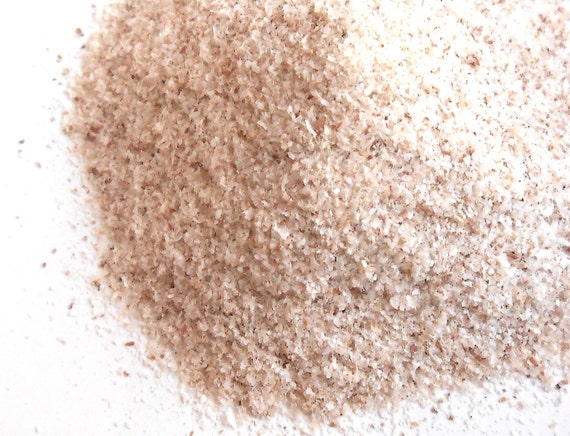
Health Benefits of Psyllium Seed Husk

Psyllium is the husk of the seed of the Plantain and is a top herb used in weight control and for general intestinal health. It contains a spongy fiber that reduces appetite, improves digestion and cleanses the system, making it an excellent choice for healthy dieting. Psyllium can provide the fiber that is missing on low carbohydrate diets. Every 100 grams of psyllium provides 71 grams of soluble fiber; a similar amount of oat bran would contain only 5 grams of soluble fiber. Only recently have scientists learned that soluble fiber has unique effects on metabolism. Psyllium is one of the simplest, healthiest and most effective herbs for weight control.

http://www.leaflady.org/benefits_of_psyllium.htm

Psyllium has also been used for irritable bowel syndrome (a stress-related disorder with alternating bouts of diarrhea and constipation). Because it will produce easy bowel movements with a loose stool, Psyllium is used by patients with anal fissures (cracks in the skin near the anus) and hemorrhoids and is often recommended following anal or rectal surgery, during pregnancy and as a secondary treatment in certain types of diarrhea. 

Psyllium soaks up a significant amount of water in the digestive tract, thereby making stool firmer and, under these circumstances, slower to pass. Psyllium also has the additional advantages over other sources of fiber of reducing flatulence and bloating. It may be recommended by a physician to help soften stool and reduce the pain associated with hemorrhoids. 

In a study of people with ulcerative colitis (a type of inflammatory bowel disorder), psyllium seeds were as shown to be as effective as the prescription drug mesalamine in decreasing recurrences of the disease. In addition, a physician may recommend the use of psyllium as a bulking agent for mild to moderate cases of diarrhea from either ulcerative colitis or Crohn's disease (another type of inflammatory bowel disorder). 

Research reported in The American Journal of Clinical Nutrition concludes that the use of soluble-fiber cereals is an effective and well-tolerated part of a prudent diet for the treatment of mild to moderate Hypercholesterollaemia. Soluble fibers such as those in psyllium husk, guar gum, and oat bran have a cholesterol-lowering effect when added to a low-fat, low-cholesterol diet. Studies reported in The American Journal of Clinical Nutrition have shown psyllium to be quite effective in lowering total as well as LDL ("bad") cholesterol levels, which can be helpful to those with high cholesterol and those at increased risk for developing hypercholesterolemia, such as people with type 2 diabetes. 

Studies and clinical reports suggest that psyllium may enhance the sensation of fullness and reduce hunger cravings. For these reasons, incorporating psyllium and other sources of fiber into the diet may aid weight loss. Health Benefits of Psyllium Seed Husk 

Laxative Effect - Most dietary fibre sources promote laxation by increasing colonic contents, which stimulates propulsion. Unfermented or incompletely fermented fibre and the accompanying moisture it holds are two contributors to this increased stool mass. Slowly or incompletely fermented fibres also contribute to stool weight by providing substrate for microbial growth. The greater bacterial mass and accompanying water further increase stool weight. In most studies, the additional stool mass produced by consumption of more dietary fibre contains the same proportion of moisture as do low-fibre stools. 

Psyllium seed husk is a partially fermented dietary fibre from Plantago ovata that increases stool weight and promotes laxation by its presence in stool and by increasing the moisture content of stool. In a study by Cummings et al (2000), they proposed that the unfermented gel isolated from psyllium containing stools functions as an emollient and lubricant. The greater ease of passage, gentleness, and softness reported by the subjects and the isolation of a very viscous fraction supports this hypothesis. 

All studies involving psyllium report increases in wet and dry stool weights both in healthy subjects and in subjects with gastrointestinal disease. Psyllium appears to increase stool mass more effectively than do other common laxative fibre sources. In the Cummings study , each gram of psyllium seed husk increased stool weight an average of 5.9 gms, compared with 4.9-5.4 gms for wheat bran fibre and 3.4-4.5 gms for oat bran fibre. 

Cholesterol lowering - Consumption of viscous soluble fibres significantly lowers serum total and LDL cholesterol concentrations, and may provide an alternative to drug therapy for some patients. Of the viscous soluble fibres, psyllium husk fibre appears to be one of the most effective with the least adverse effects. 

Short term placebo-controlled studies showed that consumption of 7-10 gms psyllium/day lowers serum total cholesterol concentrations 4-11% and serum LDL cholesterol concentrations 6-18% below placebo control concentrations. The mechanism of action of psyllium's hypocholesterolemic effects has not been fully elucidated. Psyllium was shown to stimulate bile acid synthesis in animal models and in humans, which leads to reduction of serum cholesterol. Additional mechanisms, such as inhibition of hepatic cholesterol synthesis by propionate and secondary effects of slowing glucose absorption may also play a role. 

Other soluble fibre sources, such as guar gum, locust bean gum, pectin, oat bran, and legumes, have also been reported to decrease serum total and LDL cholesterol concentrations. However the practical uses for many of these fibres are limited by a lack of palatable forms. In a study in which the effects of 10 different fibres were compared in rats, psyllium fed rats had the lowest serum and liver cholesterol concentrations. 

Anticarcinogenic effect - Ingestion of prebiotics (non-digestible food ingredient that selectively stimulates bacteria in the colon) results in a different spectrum of fermentation products, including the production of high concentrations of short chain fatty acids, leading to a decrease in pH. A low pH in faeces was associated with a reduced incidence of colon cancer in various populations. 

Butyrate is associated with many biological properties in the colon. One of the first observed effects of butyrate on the degree of DNA methylation is probably associated with modified gene expression, the consequences of which are yet unknown, particularly in relation to colon cancer. However, butyrate may also directly enhance cell proliferation in normal cells and suppress proliferation in transformed cells by improving cell differentiation. This is an important step in suppressing cancer cells. In addition, apoptoses may be increased in transformed cells but inhibited in normal cells when butyrate is present. 

Colon cancer, which in a high proportion of the population is due to somatic mutations occurring during the lifetime of an individual, could be retarded by preventing these mutations. Prebiotics have been shown to deactivate genotoxic carcinogens. DNA damage had been prevented and chemopreventive systems may be stimulated in vivo in colon tissues. 

Intestinal Health - The colon of the human gastrointestinal tract contains a large population of resident bacteria. In fact, approximately 55% of the solids in faeces is microbial biomass. In adults, these bacteria are balanced in a complex ecosystem consisting of more than 40 major species and more than 400 species in total. 

In a healthy individual, most of these species are advantageous or benign to the host, but some are potentially pathogenic if their numbers are allowed to increase to high levels. Disturbances to the ecological balance in the intestinal microflora caused by, for example, changes in diet, stress or antibiotic treatment can lead to the overgrowth of deleterious bacteria, and subsequently to gastrointestinal disorders. These disorders may be as minor as intestinal discomfort or increased flatulence, or relative serious health problems such as severe diarrhoea, irritable bowel syndrome and colitis. Undesirable bacteria in the colon have even been implicated in the development of colon cancer. 

Oligofructose, derived from a plant source (usually chicory) consists of fructose chains of up to several units. It is a resistant starch, or soluble dietary fibre, that is not absorbed in the small intestine and passes into the large intestine where it is partly fermented, producing an energy value of 6 - 8 kilojoules/gm. 

Carbohydrates are normally absorbed in the small intestine and directly metabolised in the liver, generating 17 kilojoules/gm. Complex fibres produce little or no energy and are broken down by bacteria to some degree in the large intestine. 

Resistant starches are neither fibres or complex carbohydrates, and were for many years a dilemma for the Food Authorities. They are now recognised under the carbohydrate banner and are listed on nutritional panels as soluble dietary fibre. 

Oligofructose is a tremendous substrate for bifidus bacteria, stimulating its activity by several hundred percent. This is called prebiotic activity, referring to stimulation of health promoting bacteria in the intestinal tract. Short chain fatty acids are produced, lowering pH levels and providing an energy source for the growth and maintenance of large intestine cells. This process leads to differentiation of cancer cells, a vital step that is required before cancer cells can be killed. 

The ideal environment for healthy bacteria is quite different to the environment preferred by pathogens and gram negative putrefactive bacteria. Consequently the undesirable bacteria diminish in number as the healthy bacteria proliferate in the presence of oligofructose. 

One type of undesirable bacteria are faecal bacteria that thrive in the presence of unabsorbed iron. This leads to the production of oxygen radicals that are known to damage protein, lipids and DNA. This damage has been implicated in the induction of somatic cell mutations that may favour the development of several forms of cancer. 

There is some limited evidence that habitual intake of dietary fibre may suppress the production of reactive oxygen species. 

A colon high in faecal iron levels would benefit substantially from oligofructose consumption, creating an environment unfavourable for the growth of iron loving bacteria. The microflora balance would gradually shift from the putrefactive to the healthy, increasing the growth of probiotic bacteria such as lactobacillus, bifidus, acidophilus and enterococcus. 

Moreover, probiotics might prevent infection because they compete with pathogenic viruses or bacteria for binding sites on epithelial cells. Diarrhea due to the growth of pathogenic bacteria is the most common side effect of antibiotic use. Probiotics might inhibit this growth by releasing inhibitory substances, as indeed has been shown in vitro by some strains. 

Desirable bacterial numbers can also be increased by consuming cultured products such as yoghurt but in many cases they are not very effective because many bacteria are destroyed in the stomach and small intestine. Upon reaching the colon or large intestine the surviving bacteria are often present is such low numbers that any likely benefit is doubtful. This especially happens with commercial yoghurt that has a shelf life of several weeks, with bacterial numbers possibly already low before consumption. Yoghurt manufacturers have addressed the problem by including oligofructose in the yoghurt so that surviving bacteria are rejuvenated once they reach the colon.

Sources
http://www.herbwisdom.com/herb-psyllium-husk.html
http://www.leaflady.org/benefits_of_psyllium.htm

Oatmeal - The Health Benefit

What a better way to gain the strength and energy to carry you through a hectic morning schedule than with a steaming bowl of freshly cooked oatmeal. Oats are harvested in the fall but are available throughout the year and can add extra nutrition to a variety of healthy dishes.


Lower Cholesterol Levels 
Oats, oat bran, and oatmeal contain a specific type of fiber known as beta-glucan. Since 1963, study after study has proven the beneficial effects of this special fiber on cholesterol levels. Studies show that in individuals with high cholesterol (above 220 mg/dl), consuming just 3 grams of soluble oat fiber per day (an amount found in one bowl of oatmeal) typically lowers total cholesterol by 8-23%. This is highly significant since each 1% drop in serum cholesterol translates to a 2% decrease in the risk of developing heart disease. High cholesterol levels correlate with the build up of plaques in blood vessel walls. If these plaques become damaged or simply grow too large, they can rupture, blocking a blood vessel and causing a heart attack, stroke, or blood clots elsewhere in the body. Lowering high cholesterol levels can therefore significantly reduce the risk of cardiovascular disease and stroke. A study published in the Archives of Internal Medicine confirms that eating high fiber foods, such as oats, helps prevent heart disease. Almost 10,000 American adults participated in this study and were followed for 19 years. People eating the most fiber, 21 grams per day, had 12% less coronary heart disease (CHD) and 11% less cardiovascular disease (CVD) compared to those eating the least, 5 grams daily. Those eating the most water-soluble dietary fiber fared even better with a 15% reduction in risk of CHD and a 10% risk reduction in CVD. 

Unique Oat Antioxidants Reduce Risk of Cardiovascular Disease 
Oats, via their high fiber content, are already known to help remove cholesterol from the digestive system that would otherwise end up in the bloodstream. Now, the latest research suggests they may have another cardio-protective mechanism. Antioxidant compounds unique to oats, called avenanthramides, help prevent free radicals from damaging LDL cholesterol, thus reducing the risk of cardiovascular disease, suggests a study conducted at Tufts University and published in The Journal of Nutrition. In this study, laboratory animals were fed saline containing 0.25 grams of phenol-rich oat bran, after which blood samples were taken at intervals from 20 to 120 minutes. After 40 minutes, blood concentrations of avenanthramides had peaked, showing these compounds were bioavailable (able to be absorbed). Next, the researchers tested the antioxidant ability of avenanthramides to protect LDL cholesterol against oxidation (free radical damage) induced by copper. Not only did the avenanthramides increase the amount of time before LDL became oxidized, but when vitamin C was added, the oat phenols interacted synergistically with the vitamin, extending the time during which LDL was protected from 137 to 216 minutes. In another study also conducted at Tufts and published in Atherosclerosis, researchers exposed human arterial wall cells to purified avenenthramides from oats for 24 hours, and found that these oat phenols significantly suppressed the production of several types of molecules involved in the attachment of monocytes (immune cells in the bloodstream) to the arterial wall—the first step in the development of atherosclerosis. Oat avenanthamides suppressed production of ICAM-1 (intracellular adhesion molecule-1) and VCAM-1 (vascular adhesion molecule-1), E-selectin, and the secretion of pro-inflammatory cytokines KL-6, chemokines IL-8 and protein MCP-1 (monocyte chemoattractant protein). Our advice: Cut an orange (which is rich in vitamin C) in quarters or pour yourself a glass of orange juice to enjoy along with your oatmeal. If you prefer some other grain for your breakfast cereal, top it with a heaping spoonful of oat bran. 

Significant Cardiovascular Benefits for Postmenopausal Women 
Eating a serving of whole grains, such as oats, at least 6 times each week is an especially good idea for postmenopausal women with high cholesterol, high blood pressure or other signs of cardiovascular disease (CVD). A 3-year prospective study of over 200 postmenopausal women with CVD, published in the American Heart Journal, shows that those eating at least 6 servings of whole grains each week experienced both: Slowed progression of atherosclerosis, the build-up of plaque that narrows the vessels through which blood flows, and Less progression in stenosis, the narrowing of the diameter of arterial passageways. The women's intake of fiber from fruits, vegetables and refined grains was not associated with a lessening in CVD progression. 

Enhance Immune Response to Infection 
In laboratory studies reported in Surgery, beta-glucan significantly enhanced the human immune system's response to bacterial infection. Beta-glucan not only helps neutrophils (the most abundant type of non-specific immune cell) navigate to the site of an infection more quickly, it also enhances their ability to eliminate the bacteria they find there. According to study leader Jonathan Reichner of the Department of Surgery at Rhode Island Hospital and Brown University, priming neutrophils with beta-glucan helps these immune defenders quickly locate the bacterial mother lode within infected tissue. And this more rapid response to infection results in faster microbial clearance and healing. Since our non-specific immune defenses are the body's first strike forces against invading pathogens, starting your day with a bowl of oatmeal may boost your immune response in addition to your morning energy levels. 

Stabilize Blood Sugar
Studies also show that beta-glucan has beneficial effects in diabetes as well. Type 2 diabetes patients given foods high in this type of oat fiber or given oatmeal or oat bran rich foods experienced much lower rises in blood sugar compared to those who were given white rice or bread. Starting out your day with a blood sugar stabilizing food such as oats may make it easier to keep blood sugar levels under control the rest of the day, especially when the rest of your day is also supported with nourishing fiber-rich foods. 

Oats and Other Whole Grains Substantially Lower Type 2 Diabetes Risk 
Oats and other whole grains are a rich source of magnesium, a mineral that acts as a co-factor for more than 300 enzymes, including enzymes involved in the body's use of glucose and insulin secretion. The FDA permits foods that contain at least 51% whole grains by weight (and are also low in fat, saturated fat, and cholesterol) to display a health claim stating consumption is linked to lower risk of heart disease and certain cancers. Now, research suggests regular consumption of whole grains also reduces risk of type 2 diabetes. (van Dam RM, Hu FB, Diabetes Care). In this 8-year trial, involving 41,186 particpants of the Black Women's Health Study, research data confirmed inverse associations between magnesium, calcium and major food sources in relation to type 2 diabetes that had already been reported in predominantly white populations. Risk of type 2 diabetes was 31% lower in black women who frequently ate whole grains compared to those eating the least of these magnesium-rich foods. When the women's dietary intake of magnesium intake was considered by itself, a beneficial, but lesser—19%—reduction in risk of type 2 diabetes was found, indicating that whole grains offer special benefits in promoting healthy blood sugar control. Daily consumption of low-fat dairy foods was also helpful, lowering risk of type 2 diabetes by 13%. Enjoy a hearty breakfast and get the benefits of both oats and dairy by serving hot oatmeal, spiced with cinnamon, and topped with handful of walnuts and low-fat milk.


Oats, known scientifically as Avena sativa, are a hardy cereal grain able to withstand poor soil conditions in which other crops are unable to thrive. Their fortitude seems to be transferred to those who consume this nutrient-rich grain. After all, when we think of a satisfying and enriching way to start the day, one that gives us strength and lasting energy, we oftentimes relish the thought of a hot bowl of oatmeal. Oats gain part of their distinctive flavor from the roasting process that they undergo after being harvested and cleaned. Although oats are then hulled, this process does not strip away their bran and their germ allowing them to retain a concentrated source of their fiber and nutrients. Different types of processing are then used to produce the various types of oat products, which are generally used to make breakfast cereals, baked goods and stuffings: 

Oat groats: unflattened kernels that are good for using as a breakfast cereal or for stuffing 
Steel-cut oats: featuring a dense and chewy texture, they are produced by running the grain through steel blades that thinly slices them. 
Old-fashioned oats: have a flatter shape that is the result of their being steamed and then rolled. 
Quick-cooking oats: processed like old-fashioned oats, except they are cut finely before rolling 
Instant oatmeal: produced by partially cooking the grains and then rolling them very thin. Oftentimes, sugar, salt and other ingredients are added to make the finished product. 
Oat bran: the outer layer of the grain that resides under the hull. While oat bran is found in rolled oats and steel-cut oats, it may also be purchased as a separate product that can be added to recipes or cooked to make a hot cereal. 
Oat flour: used in baking, it is oftentimes combined with wheat or other gluten-containing flours when making leavened bread.

10.1.14

Most Active Stocks - Less Than $10 - Thursday Jan 09-2014

Market Chart

NYSE 

S     JCP      RAD

AMD      NOK     ALU

SD


NASDAQ

SIRI     PLUG      AMRN

BBRY     MNKD     DRYS

CPST      ARIA     AEZS

DCTH     GALE     ATML


Business Calendar -  Stock Upgrades and Downgrades -  Before the Bell - Inside The Market -  World Currencies - Commodities -  MarketWatch -  Analysts Rating -  Ownership Information -  Insider Trading -  Earnings Estimates - Financial Results -  Short Interest - Top Stories - Business News - Tech News - Health News


Dow Jones
16,444.76-17.98(-0.11%)
1,838.13+0.64(0.03%)
4,156.19-9.42(-0.23%)


Click to read - 3 reasons why the economy will be better in 2014 - What’s different this year is that some of the forecasters who’ve been most realistic about how long it would take to recover are now predicting better days in 2014. We’re talking about forecasters such as Goldman Sachs, IHS Global Insight, and Société Générale, who were right to be skeptical of stronger growth in 2011, 2012 and 2013.

Click to read - PC Shipments Mark Steepest Decline With 10 Percent Drop - Personal-computer shipments fell 10 percent in 2013, marking the worst-ever decline after lackluster holiday sales underscored how consumers and businesses are shunning machines for mobile devices, two research firms said.


Click to read - 
How To Find The Best One-Of-A-Kind Investments For You - With modern tools, an analyst can put in a few variables and get a list of candidates without breaking a sweat. That works well until everyone picks the same investments. Real research takes a lot more time and effort. With that said, here are four tips for finding hidden gems.